Events & Festivals in the USA
From thunderous music festivals that draw hundreds of thousands to intimate cultural celebrations preserving centuries-old traditions, the United States hosts an extraordinary tapestry of events and festivals year-round. These gatherings represent far more than entertainment—they serve as living expressions of American diversity, creativity, and community spirit. Whether you’re drawn to legendary music performances, mouthwatering food experiences, or heritage celebrations that connect past to present, understanding the festival landscape helps you navigate the countless options available.
The sheer variety can feel overwhelming for newcomers. With events happening in every state, spanning every imaginable interest, and ranging from free neighborhood gatherings to multi-day ticketed experiences, knowing where to start makes all the difference. This resource introduces you to the fundamental categories, regional characteristics, and practical considerations that shape the American festival experience, empowering you to make informed choices aligned with your interests.
Understanding the American Festival Landscape
The United States festival scene operates on a scale and diversity unmatched in most countries, with tens of thousands of events occurring annually across its vast geography. This abundance stems from several factors: the nation’s size allows multiple major events to happen simultaneously without competing for audiences, its cultural diversity creates demand for celebrations honoring countless heritages, and its entertainment industry infrastructure supports large-scale production capabilities.
Think of the American festival ecosystem as a living organism with seasonal rhythms. Spring and summer months see the majority of outdoor events concentrated in regions with favorable weather, while fall brings harvest celebrations and cultural festivals. Winter focuses on holiday events and indoor gatherings, though warmer southern and western states maintain active outdoor schedules. This seasonal pattern affects not just timing but also the nature of experiences—summer music festivals embrace camping and multi-day immersion, while winter events often emphasize urban settings and shorter durations.
Unlike countries with centralized cultural programming, American festivals typically emerge from grassroots community initiatives, nonprofit organizations, or private promoters. This decentralized structure creates remarkable variety but also means quality, scale, and professionalism vary significantly. A neighborhood street fair celebrating local heritage operates with entirely different resources and expectations than a nationally-promoted music festival, yet both contribute meaningfully to the cultural landscape. Understanding this spectrum helps set appropriate expectations for different event types.
What Types of Events and Festivals Can You Experience?
American festivals cluster into several major categories, each offering distinct experiences and appealing to different interests. Recognizing these categories helps you identify events aligned with your preferences while discovering options you might not have initially considered.
Music Festivals Across Genres
Music festivals represent perhaps the most visible category, ranging from genre-specific gatherings to eclectic multi-genre celebrations. Rock, country, jazz, electronic dance music, hip-hop, classical, and folk all have dedicated festival circuits. These events vary from single-day concerts in urban parks to weeklong desert gatherings with camping, art installations, and immersive experiences. The atmosphere shifts dramatically between genres—a bluegrass festival emphasizes community and tradition, while electronic music festivals prioritize cutting-edge production and sensory experiences.
Cultural and Heritage Celebrations
Cultural festivals honor the traditions, foods, and artistic expressions of specific communities, from Chinese New Year celebrations in major cities to Oktoberfest gatherings reflecting German heritage, Juneteenth commemorations, Native American powwows, and countless others. These events serve dual purposes: allowing communities to celebrate their identity while educating broader audiences. Expect traditional music and dance performances, authentic cuisine, artisan demonstrations, and educational exhibits. The welcoming atmosphere typically encourages participation regardless of your background.
Food and Beverage Experiences
American food festivals celebrate everything from regional specialties—Maine lobster, Texas barbecue, Louisiana crawfish—to specific ingredients like garlic, chile peppers, or chocolate. Craft beer festivals have proliferated in recent years alongside wine tastings, spirits expos, and coffee celebrations. These events range from serious tastings with educational components to casual street fairs emphasizing fun and variety. Many combine food with music, creating relaxed social atmospheres perfect for sampling diverse offerings.
Arts, Film, and Creative Gatherings
Arts festivals showcase visual artists, performers, filmmakers, and craftspeople, offering opportunities to purchase original works while watching creative processes unfold. Film festivals screen independent productions, documentaries, and international cinema rarely shown in commercial theaters, often featuring filmmaker Q&A sessions. Renaissance fairs, comic conventions, and literary festivals each create immersive environments celebrating specific creative communities with passionate, knowledgeable audiences.
Seasonal and Holiday Events
Holiday celebrations transform communities seasonally—Fourth of July fireworks displays, Halloween parades, Christmas markets, and New Year’s Eve gatherings follow predictable annual rhythms. Beyond these universal holidays, harvest festivals, flower shows, and seasonal sports events mark changing seasons. These typically free or low-cost community events offer accessible entry points for festival experiences without major planning or expense.
Where to Find the Most Vibrant Festival Scenes
While festivals occur everywhere, certain regions and cities have developed particularly robust festival cultures shaped by climate, population density, cultural composition, and local investment in arts and tourism. Understanding regional characteristics helps target your exploration effectively.
The Northeast concentrates many festivals in urban centers—New York, Boston, Philadelphia—where dense populations support diverse niche events. Summer months see coastal communities hosting seafood festivals and maritime celebrations, while fall brings harvest and Halloween events. Winter focuses on holiday markets and indoor cultural celebrations. The region’s European heritage influences many traditional festivals.
The South embraces outdoor festival culture nearly year-round thanks to favorable climate, with particular strength in music festivals spanning jazz, blues, country, and rock. Food festivals celebrating barbecue, seafood, and regional cuisines thrive here. Cities like New Orleans, Austin, Nashville, and Charleston have built identities partly around festival scenes. Mardi Gras traditions influence celebration styles even beyond Louisiana, emphasizing parades, colorful costumes, and public revelry.
The Midwest hosts numerous state and county fairs—quintessentially American events combining agricultural exhibits, carnival rides, concerts, and competitions. Ethnic festivals celebrating Polish, German, Irish, and other heritages remain strong, particularly in cities like Chicago, Milwaukee, and Cincinnati. Summer outdoor music festivals take advantage of relatively short warm seasons, creating concentrated festival calendars.
The West Coast pioneered many modern festival formats, particularly multi-day music and arts gatherings. California’s size and diversity support everything from massive desert music festivals to wine country tastings, film festivals, and cultural celebrations. The Pacific Northwest emphasizes craft beer, coffee, and outdoor recreation-themed events. Generally temperate climates enable year-round outdoor events in many locations, though summer remains peak season.
How to Plan Your Festival Adventure
Successful festival experiences require more preparation than typical tourism activities, with planning intensity increasing for larger, multi-day events. These practical considerations help ensure smooth, enjoyable experiences.
Timing and tickets demand early attention. Popular festivals sell out months ahead, and ticket prices typically increase as events approach. Research whether events offer single-day or multi-day options, and consider whether camping or lodging packages make sense. Many festivals release lineups or programs gradually, so following official channels helps you make informed decisions before sellouts occur.
Accommodation planning becomes critical for events in smaller communities lacking hotel capacity. Options include:
- On-site camping if offered, providing convenience but requiring appropriate gear
- Hotels in nearby cities, necessitating transportation planning and potentially long commutes
- Vacation rentals, which may require very early booking for popular events
- RV options at festivals with dedicated facilities
Packing appropriately varies dramatically by event type and season. Outdoor multi-day festivals require weather preparation for all conditions—sun protection, rain gear, warm layers for cool evenings. Comfortable walking shoes matter universally, as most festivals involve considerable standing and walking. Many events prohibit certain items for safety or policy reasons, so reviewing guidelines prevents disappointment at entry.
Transportation and parking require advance thought, especially for events in areas with limited infrastructure. Some festivals offer shuttle services from designated parking areas or partner hotels. Ride-sharing becomes expensive and unreliable when thousands depart simultaneously. Public transportation, when available, often provides the most reliable option for urban events.
Budget realistically beyond ticket prices. Food and beverages, merchandise, parking, and accommodation create substantial additional costs. Some events allow outside food and water, significantly reducing expenses, while others require purchasing everything onsite at premium prices. Understanding policies helps you budget accurately and avoid unpleasant surprises.
Why American Festivals Offer Unique Experiences
Several characteristics distinguish American festivals from those in other countries, creating experiences that feel distinctly American even when celebrating universal themes. Understanding these qualities helps visitors appreciate cultural nuances while navigating unfamiliar social settings.
The scale and production values of major American festivals often exceed international counterparts, reflecting substantial commercial investment and entertainment industry expertise. Stage designs, sound systems, lighting, and special effects reach extraordinary levels at top-tier music festivals. This emphasis on spectacle and technological sophistication creates immersive environments but can also feel impersonal compared to smaller, community-focused events.
American festivals embrace diversity and inclusivity more intentionally in recent years, with many actively programming varied lineups, offering accessibility accommodations, and creating welcoming environments for different communities. This evolving approach reflects broader social conversations while honoring the reality that festivals function best when diverse audiences feel comfortable participating. Family-friendly options have expanded significantly, with many festivals offering dedicated children’s areas and programming.
The commercial and entrepreneurial spirit shapes the American festival landscape distinctly. Sponsorships, branded activations, and merchandise sales integrate heavily into larger events, creating experiences that blend cultural celebration with consumer culture. This commercial aspect enables large-scale free events while sometimes diluting artistic purity—a trade-off that different people view differently based on priorities and expectations.
Food vendor variety reflects American culinary diversity, with festivals typically offering far more than generic fair food. Expect everything from regional specialties to international cuisines, vegetarian and vegan options, and creative fusion concepts. This culinary abundance turns eating into exploration rather than mere sustenance, though quality varies considerably between vendors.
Finally, American festivals emphasize individual experience and personal expression. Costumes, creative outfits, and self-expression through appearance receive encouragement at many events, particularly music and arts festivals. The social expectation centers on personal enjoyment rather than collective conformity, creating permissive atmospheres where diverse behaviors coexist—sometimes harmoniously, occasionally chaotically.
Whether you’re planning your first American festival experience or seeking to expand beyond familiar event types, understanding these fundamental patterns empowers better choices. The diversity means perfect matches exist for virtually any interest, while the challenges of selection and planning become manageable with appropriate research and realistic expectations. Start with events aligning closely with your existing interests, then let curiosity guide you toward new discoveries in this vast, colorful landscape of American celebration.
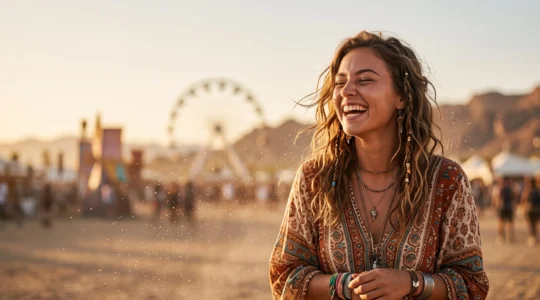
Coachella Survival Guide: Fashion, Heat, and VIP Status
The standard Coachella advice to “drink water” is not enough; thriving at the festival requires mastering the unspoken economy of access, comfort, and social currency. VIP access is a strategic investment in comfort and endurance, not just a luxury, with…
Read more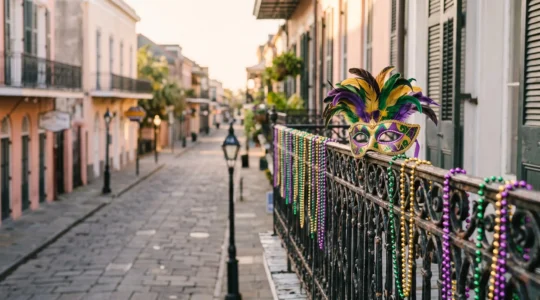
Mardi Gras Beyond Bourbon Street: How to Celebrate with Locals?
To experience the real Mardi Gras, you must understand it’s not a spectator sport—it’s a social game with its own unwritten rules, rituals, and objectives. Parade success isn’t about catching the most beads; it’s about engaging in the “throw economy”…
Read more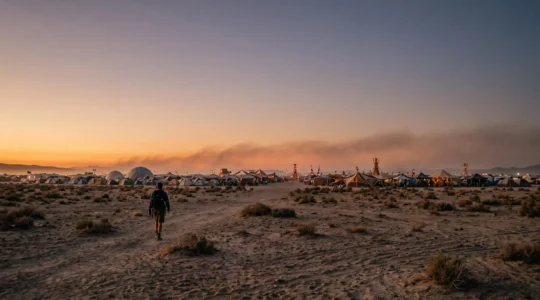
How to Handle Logistics for Huge US Festivals Like Burning Man or SXSW?
Success at a massive US festival is not about what you pack, but how well you understand the operational systems governing security, commerce, and crowd control. Most rookie mistakes stem from treating the event like a simple party, not a…
Read more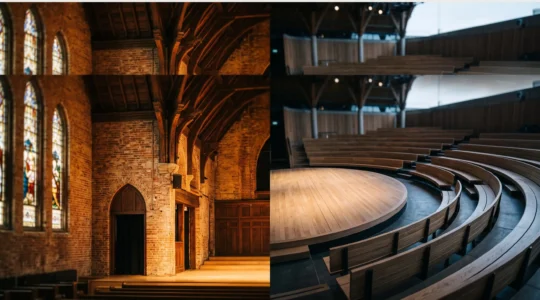
Ryman Auditorium or Opry House: Where Should You See Country Legends?
Choosing between the Ryman and the Opry House isn’t about which is “better”—it’s about deciding which chapter of country music’s living history you want to experience firsthand. The Ryman Auditorium offers an intimate, almost spiritual connection to the past in…
Read more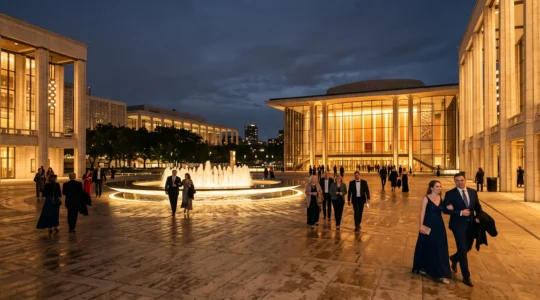
How to Attend World-Class Performances at Lincoln Center on a Budget?
Contrary to the myth that Lincoln Center is exclusively for the wealthy, accessing its world-class stages is more about strategy than spending. This guide demystifies the process, revealing that a grand night of opera or ballet is surprisingly attainable. By…
Read more