Itineraries & Road Trips
Few travel experiences capture the imagination quite like a road trip across America. The concept transcends simple transportation—it represents freedom, discovery, and the opportunity to witness landscapes transform mile by mile. Whether you’re navigating coastal highways with ocean vistas stretching endlessly beside you, crossing desert expanses where the horizon seems to dissolve into sky, or winding through mountain passes that reveal new panoramas at every turn, road trips offer an intimacy with place that flying simply cannot match.
Planning an effective itinerary requires more than marking destinations on a map. It demands understanding seasonal variations, recognizing how distance translates to driving time, balancing iconic attractions with hidden discoveries, and preparing for the practical realities of multi-day journeys. This comprehensive resource explores the essential elements that transform a simple drive into a memorable adventure, providing you with the knowledge to craft itineraries that align with your interests, timeline, and travel style.
Why Road Trips Define the American Travel Experience
The cultural significance of road trips in America runs deeper than tourism—it’s woven into the national identity. The freedom of the open road resonates with fundamental values, while the sheer geographic diversity within the country makes driving journeys particularly rewarding. Within a single week, you can experience dramatically different ecosystems, architectural styles, regional cuisines, and local cultures.
Consider this practical advantage: a road trip itinerary offers unparalleled flexibility. Unlike rigid flight schedules, you control the pace entirely. Discovered an intriguing roadside attraction? Stop and explore. Want to linger an extra day in a charming small town? Adjust your accommodation accordingly. This spontaneity allows you to respond to weather conditions, personal energy levels, and unexpected recommendations from locals you meet along the way.
The economic aspect deserves consideration too. When traveling with family or friends, per-person costs often decrease significantly compared to air travel. A vehicle accommodates multiple passengers at essentially the same fuel cost, while allowing you to pack coolers, camping equipment, or sports gear that would incur substantial airline fees. The journey itself becomes the destination, eliminating the pressure to justify expensive flights by cramming activities into limited timeframes.
Classic Routes and Iconic Highways
Certain American routes have achieved legendary status, each offering distinct characteristics that appeal to different traveler preferences. Understanding what makes each unique helps you select itineraries aligned with your interests.
Coastal Journeys
The Pacific Coast Highway between California’s major cities delivers consistently spectacular ocean views, particularly through Big Sur where mountains plunge dramatically into the Pacific. This route combines natural beauty with urban sophistication, allowing you to alternate between rugged coastline and vibrant cities. The Atlantic equivalent runs through New England, where lighthouse-dotted shores and historic maritime villages create an entirely different coastal character—more intimate and tradition-steeped than the Pacific’s grandeur.
Cross-Country Expeditions
Historic Route 66, though decommissioned as an official highway, remains traceable across eight states. This itinerary appeals to those seeking Americana nostalgia—vintage motels, classic diners, and quirky roadside attractions that represent mid-century travel culture. The northern alternative, Interstate 90, spans from Seattle to Boston as the longest interstate highway, crossing drastically varied terrain from volcanic landscapes to Great Lakes shores to New England forests.
Scenic Byways
The National Scenic Byways program designates roads of exceptional archaeological, cultural, historic, natural, recreational, or scenic qualities. The Blue Ridge Parkway exemplifies this category—469 miles of mountain scenery without commercial traffic or billboards, designed specifically for leisurely driving and natural appreciation. These designated routes often provide superior experiences for photography enthusiasts and nature lovers compared to faster interstate alternatives.
How to Plan Your Itinerary Timeline
Time allocation determines whether your road trip feels relaxed and enriching or rushed and exhausting. A common planning mistake involves underestimating how driving duration, rest stops, and meaningful exploration time compound throughout the day.
Calculating Realistic Daily Distances
While theoretically possible to drive 500-600 miles daily on interstates, a sustainable and enjoyable pace typically limits travel to 250-350 miles per day when incorporating stops, meals, and actual destination exploration. This translates to roughly 4-6 hours of driving, leaving substantial time for activities. On scenic routes with frequent viewpoints or winding mountain roads, reduce this further to 150-200 miles to avoid spending your entire day behind the wheel.
Seasonal Timing Considerations
Geography and season interact powerfully. Summer offers accessibility to high-elevation roads and national parks, but brings crowds and peak-season pricing. Shoulder seasons—spring and fall—frequently provide the optimal balance of favorable weather and reduced congestion. However, specific routes demand seasonal awareness: mountain passes may close from late autumn through spring, while desert itineraries become uncomfortably hot in summer months. Coastal routes generally remain accessible year-round, though winter brings dramatic storm-watching opportunities rather than beach weather.
Building in Buffer Days
Experienced road trippers incorporate flexibility by avoiding completely packed schedules. Planning for one unstructured day per week allows you to extend stays in unexpectedly captivating locations, recover from travel fatigue, or pursue spontaneous recommendations. This buffer prevents the anxiety of racing against an overly ambitious timeline.
Regional Itineraries Worth Exploring
America’s distinct regions each offer characteristic landscapes, cultural attributes, and practical considerations that shape ideal itinerary structures.
Southwest Desert Circuits
The concentration of national parks across Utah, Arizona, and Nevada enables spectacular loop itineraries. The classic Southwest circuit connects Zion, Bryce Canyon, Grand Canyon, Monument Valley, and Arches within a 7-10 day timeframe. The stark desert beauty, distinctive red rock formations, and clear night skies create an otherworldly atmosphere. Practical consideration: summer temperatures regularly exceed 100°F, making spring and fall decidedly more comfortable for hiking and exploration.
New England Heritage Trails
Compact geography makes New England ideal for shorter itineraries that still pack substantial variety. A week-long journey encompasses coastal Maine with its lobster shacks and rocky shores, Vermont’s pastoral landscapes and covered bridges, and historically significant sites throughout Massachusetts. Autumn foliage season attracts considerable attention for valid reasons—the deciduous forest transformation creates genuinely spectacular scenery—though this popularity means advanced accommodation booking becomes essential.
Pacific Northwest Explorer
Washington and Oregon combine dramatic coastlines, temperate rainforests, volcanic peaks, and sophisticated urban centers. This region rewards those who appreciate both outdoor adventure and culinary scenes, with exceptional local food cultures complementing the natural attractions. The marine climate brings considerable rainfall, making summer the reliably dry season, though the lush greenery that results from this precipitation contributes significantly to the region’s distinctive character.
Essential Logistics: Vehicle, Accommodation, and Budget
Practical preparation significantly influences road trip quality, transforming potential frustrations into smoothly executed adventures.
Vehicle Selection and Preparation
Your own vehicle offers familiarity and eliminates rental costs, but consider its suitability for planned terrain and distances. Long highway stretches favor fuel-efficient vehicles, while exploration of unpaved forest roads or high-clearance desert tracks may require different capabilities. For rentals, unlimited mileage provisions prove essential—mileage caps can generate shocking bills on extended trips. Before departure, basic maintenance checks (tire condition, fluid levels, spare tire accessibility) prevent common roadside difficulties.
Accommodation Strategies
Road trip lodging exists on a spectrum from fully spontaneous to completely pre-booked. Pure flexibility appeals romantically but risks availability problems in popular areas during peak seasons. A hybrid approach works effectively: book accommodations in high-demand locations or for crucial first and last nights, while leaving intermediate stops flexible. Options span diverse budgets:
- National and state park campgrounds offer unbeatable locations at minimal cost, though popular sites require reservations months ahead
- Budget motel chains provide predictable, clean basics along major routes
- Unique accommodations like historic inns or boutique hotels enhance specific destination experiences
- Vehicle camping or RV travel maximizes flexibility while requiring different preparation and equipment
Budget Planning
Road trip expenses break down into predictable categories that enable accurate advance estimation. Fuel costs form the foundation—calculate using your planned mileage, realistic fuel economy, and current regional fuel prices. Accommodation represents the most variable factor, easily ranging from minimal camping fees to premium hotel rates. Food costs decrease significantly when you pack coolers and prepare some meals, particularly breakfasts and lunches, while still enjoying regional restaurant specialties for dinners. Don’t overlook park entrance fees, toll roads in certain regions, and a contingency fund for vehicle issues or spontaneous experiences worth the splurge.
The beauty of American road trip itineraries lies in their adaptability to your specific interests, available time, and travel preferences. Whether you’re drawn to natural wonders, cultural exploration, culinary discovery, or simply the meditative quality of watching landscapes unfold, thoughtful planning transforms the open road into a personalized journey. Start by selecting a region that resonates with your interests, determine a realistic timeframe that allows genuine exploration rather than rushed transit, and prepare for both the planned highlights and unexpected moments that often become the most treasured memories.

How to Drive the Overseas Highway to Key West without Traffic Misery?
The secret to a great Key West road trip isn’t just seeing the sights—it’s outsmarting the common frustrations that plague most tourists. Your departure time is the single most critical factor in avoiding hours of gridlock. Hidden administrative fees on…
Read more
The Art of the Chase: How to Catch Peak Fall Foliage on the Blue Ridge Parkway
The secret to catching peak fall foliage isn’t picking the right date; it’s chasing the color as it cascades down the mountains. Peak color is a moving target, starting at high elevations in late September and rolling down to the…
Read more
Pacific Coast Highway: Why the Oregon Coast Rivals California’s Big Sur?
The real heart of the Pacific Coast Highway isn’t in California; it’s on the Oregon coast, offering more accessible wildness and fewer crowds. Oregon provides unique experiences like cinematic pilgrimages to Goonies filming locations and year-round whale watching opportunities. Its…
Read more
Is Driving the Full Route 66 Still Worth It in the Modern Era?
Contrary to the fear that Route 66 is gone, its soul hasn’t vanished—it has simply migrated from the forgotten pavement to the people and places that keep its story alive. The journey’s success now depends on embracing a slower pace…
Read more
RV vs. Rental Car: The True Cost of a 3-Week US Road Trip
The freedom of an RV often comes with a higher total cost and more logistical friction than a flexible car-and-hotel strategy. RV costs are driven by poor fuel economy (8-13 MPG), nightly campsite fees, and potential mileage or one-way surcharges….
Read more
How to Plan a Rockies Road Trip That Pleases Both Hikers and Drivers?
The secret to a successful mixed-activity Rockies road trip isn’t compromise; it’s creating a “convergent itinerary” where everyone shares the best moments, regardless of their activity level. Prioritize scenic hubs that offer both stunning drives and trailheads for all skill…
Read more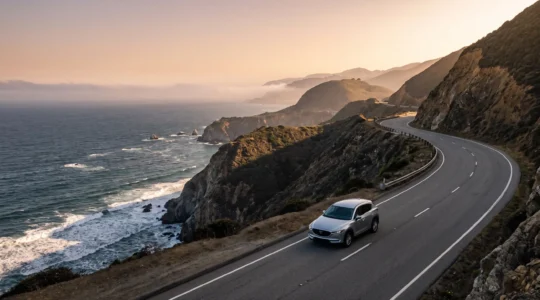
Driving Highway 1: How to Plan a Multi-State US Road Trip from the UK without Burnout
In summary: Driving from North to South (e.g., San Francisco to LA) is strategically superior for constant, unobstructed ocean views and safer pull-offs. Big Sur’s frequent landslides require a flexible plan; always have a pre-mapped inland detour like Highway 101…
Read more