Accommodation & Stays
Choosing where to stay can make or break your American adventure. With a country as vast and diverse as the United States, accommodation options range from budget-friendly roadside motels to luxurious urban hotels, from cozy mountain cabins to beachfront vacation rentals. Understanding these choices isn’t just about finding a place to sleep—it’s about enhancing your entire travel experience, managing your budget effectively, and positioning yourself to explore America’s incredible diversity.
Whether you’re planning a cross-country road trip, a family vacation to theme parks, or a urban exploration of America’s great cities, the accommodation landscape can feel overwhelming at first. Different regions have different norms, pricing varies dramatically by season and location, and the sheer number of booking platforms can create decision paralysis. This guide will help you navigate these choices with confidence, ensuring you find accommodations that align perfectly with your travel style, budget, and itinerary.
Understanding Your Accommodation Options in the USA
The American hospitality industry offers an remarkably diverse spectrum of lodging types, each serving different traveler needs and budgets. Knowing the distinctions between these options helps you match your choice to your specific trip requirements.
Hotels and Motels: The Traditional Choices
Hotels remain the most recognizable accommodation type, ranging from budget chains to luxury properties. American hotels typically offer daily housekeeping, on-site amenities like fitness centers and business facilities, and standardized service levels. Chain hotels—brands like Marriott, Hilton, or Holiday Inn—provide consistency across locations, which many travelers find reassuring when exploring unfamiliar regions.
Motels, historically designed for motorists, feature exterior room entrances and convenient parking directly outside your door. They’re particularly common along highways and in smaller towns, offering functional, no-frills accommodations at lower price points than hotels. Think of motels as the practical choice for road-trippers who need a clean bed and a quick departure in the morning.
Vacation Rentals: Your Home Away From Home
Platforms offering entire homes, apartments, or condos have transformed American travel. These rentals provide full kitchens, multiple bedrooms, and living spaces that make them ideal for families or longer stays. A beach house in Florida, a mountain cabin in Colorado, or a downtown loft in Chicago offers space and privacy that hotels cannot match.
Vacation rentals shine when you want to live like a local, prepare your own meals to save money, or need accommodation for groups. However, they require more research—reading reviews carefully, understanding cancellation policies, and communicating with hosts about check-in procedures and house rules.
Hostels, Campgrounds, and Alternative Options
While less common than in Europe, hostels exist in major American cities, offering dormitory-style rooms at budget-friendly rates. They attract younger travelers and backpackers seeking social environments and cost savings, though private rooms are usually available too.
Campgrounds and RV parks provide outdoor accommodation experiences, from primitive tent sites in national parks to full-service RV resorts with hookups and amenities. America’s camping culture is robust, with the National Park Service, state parks, and private campgrounds offering thousands of options for nature enthusiasts.
Bed and breakfasts, boutique inns, and even ranch stays round out the accommodation ecosystem, each offering unique experiences that reflect regional character and hospitality traditions.
How to Choose the Right Location for Your Stay
Location strategy separates satisfying trips from frustrating ones. In a country where distances can be deceptive and public transportation varies dramatically by region, where you sleep matters as much as where you sleep.
For urban destinations, proximity to public transit or walkability to attractions can eliminate rental car expenses and parking headaches. Staying in downtown Chicago, Manhattan, or San Francisco’s core neighborhoods costs more but saves time and transportation expenses. Conversely, suburban locations offer better value and free parking while requiring a vehicle for daily movement.
When exploring natural attractions like national parks, staying inside park boundaries or in gateway communities determines your experience quality. Accommodations within Yellowstone or Yosemite book months in advance but eliminate daily entry queues and position you for sunrise photography or wildlife viewing. Gateway towns offer more dining variety and often lower prices, with a short morning drive as the trade-off.
Consider your daily itinerary when selecting location. If visiting multiple attractions spread across a region, a centrally-located base minimizes backtracking. Road-trippers might choose accommodations that advance their route rather than retracing miles. Business travelers prioritize proximity to meeting locations or airports. Each trip type demands different location logic.
Booking Smart: Timing, Platforms, and Strategies
The American accommodation market rewards strategic booking. Understanding pricing patterns, platform differences, and timing can save substantial money while securing better properties.
Booking timing follows predictable patterns. For popular destinations during peak seasons—summer at beach resorts, fall in New England, winter at ski areas—booking three to six months ahead ensures availability and reasonable rates. Last-minute bookings sometimes yield deals when properties discount unsold inventory, but this gamble risks limited selection or inflated prices in high-demand periods.
Major booking platforms each offer distinct advantages. Hotel-specific sites often provide loyalty program benefits and best-rate guarantees. Aggregator sites like Booking.com or Expedia allow easy comparison but may exclude certain properties or deals. Vacation rental platforms require careful review reading and understanding service fees that can add significantly to advertised prices. Direct booking with independent properties sometimes unlocks flexibility or perks that third-party platforms cannot offer.
Price fluctuations occur based on:
- Seasonality: Beach towns peak in summer, ski resorts in winter, desert areas in spring
- Local events: Conventions, festivals, or sporting events can triple normal rates
- Day of week: Business hotels discount weekends; tourist destinations charge premiums
- Advance notice: Dynamic pricing adjusts based on demand and booking window
Set price alerts for flexible dates, compare across multiple platforms, and understand cancellation policies before committing. Free cancellation options provide valuable flexibility when travel plans remain uncertain.
What to Expect: Amenities and Standards Across America
American accommodation standards differ from international norms in ways that surprise first-time visitors. Understanding typical amenities and unwritten conventions helps set appropriate expectations.
Most American hotels and motels include complimentary features that vary by price tier: free Wi-Fi has become nearly universal, basic continental breakfast appears commonly in mid-range properties, and free parking is standard except in dense urban areas where parking fees can reach considerable daily rates. Air conditioning is ubiquitous—America’s climate extremes make this essential rather than luxury.
Room configurations follow American conventions. Standard hotel rooms feature one king bed or two queens, with “double” beds less common than in other countries. Bathrooms include combination tub-showers, with walk-in showers more prevalent in newer or upscale properties. Coffee makers appear in virtually all hotel rooms, reflecting American coffee culture.
Service expectations also follow regional patterns. Daily housekeeping remains standard in hotels but has become optional in some properties following recent industry shifts. Tipping housekeeping staff a few dollars daily, though not mandatory, is customary and appreciated. Front desk staff can assist with recommendations, directions, and local knowledge—don’t hesitate to ask.
Vacation rentals set their own standards. Some provide hotel-like amenities with starter supplies of coffee, toiletries, and basics, while others offer only the physical space. Reviews typically clarify what to expect, but confirming details about linens, towels, kitchen equipment, and cleaning protocols prevents arrival-day surprises.
Budgeting for Accommodation Across Different Regions
Accommodation costs vary more dramatically across America than many travelers anticipate. Regional economics, tourism demand, and local market conditions create substantial price differences that require budget flexibility or strategic planning.
Major metropolitan areas—New York, San Francisco, Boston, Seattle—command premium rates year-round, with decent hotel rooms commonly exceeding two hundred dollars nightly and vacation rentals scaling higher. Secondary cities like Nashville, Austin, or Portland offer better value while still providing urban amenities and attractions.
Rural and small-town America presents budget-friendly options, particularly along interstate highways where competition among chain motels keeps rates reasonable. These functional properties may lack character but provide reliable cleanliness and comfort at accessible price points, often well under one hundred dollars.
Coastal resort areas, ski destinations, and national park gateway communities experience dramatic seasonal price swings. The same Cape Cod cottage that rents for three thousand weekly in July might cost eight hundred in November. Visiting popular areas during shoulder seasons—late spring or early fall—delivers pleasant weather and lower crowds while cutting accommodation expenses substantially.
Consider total accommodation spending as a percentage of your overall trip budget. A longer road trip might allocate thirty to forty percent to lodging while prioritizing experiences and activities. A shorter urban getaway might splurge on location and amenities since accommodation costs represent a smaller absolute amount. Budget-conscious travelers can mix accommodation types—camping some nights, splurging on hotels others—to balance comfort and cost across a longer journey.
Understanding accommodation choices transforms from overwhelming to empowering when you recognize how each option serves different needs. Whether you choose the consistency of chain hotels, the space of vacation rentals, the adventure of campgrounds, or a strategic mix across your itinerary, aligning your accommodation strategy with your travel style, budget, and priorities ensures your American journey delivers the experiences you seek. The perfect place to stay isn’t the most luxurious or the cheapest—it’s the one that fits your unique vision of American adventure.
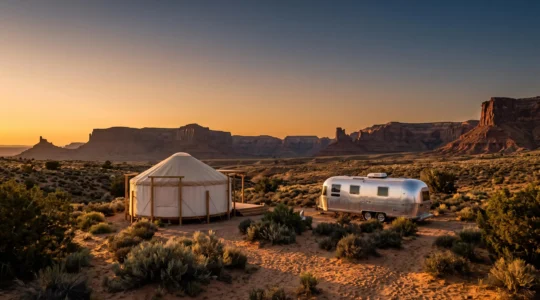
Glamping in the USA: An Honest Guide to Comfort in a Yurt, Dome, or Airstream
Glamping comfort isn’t about the real bed; it’s determined by the “invisible infrastructure” and physical realities hidden behind the pretty facade. Extreme temperature swings in domes and yurts are a real challenge that requires specific engineering to solve. The term…
Read more
Chain Hotel vs. Boutique Hotel: Which Offers a Better Local Experience?
The best local experience doesn’t start when you leave your hotel; it begins in the lobby. Boutique hotels are evolving into neighborhood hubs, actively integrating local art, commerce, and community into their very design. Increasingly strict regulations in major U.S….
Read more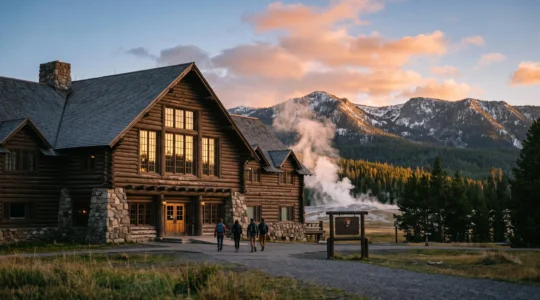
How to Secure a Room at a National Park Lodge (and What to Expect)?
To wake up inside a national park is to experience it on a different plane of existence. It’s the quiet magic of watching the sunrise over the Grand Canyon from your balcony, or hearing the whisper of geysers from your…
Read more
Is Airbnb Still Worth It in Major US Cities Given New Restrictions?
The fundamental value proposition of Airbnb has inverted: what was once a cheaper, more authentic travel alternative has become a minefield of legal compliance, opaque cost structures, and financial risks for the traveler. Strict regulations, like New York City’s Local…
Read more
The Insider’s Guide to Maximizing Your High-Rise Luxury Hotel Stay
Maximizing a luxury hotel stay is not about chance upgrades or asking for free items. The true art lies in understanding the hotel’s inner workings—the hidden economy of service and access that operates beyond the front desk. This guide empowers…
Read more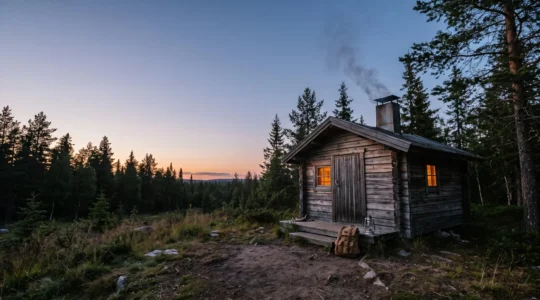
Essential Packing for a Remote Cabin: A First-Timer’s Guide
In summary: Success isn’t just about what you pack, but embracing a self-reliant mindset before you go. Anticipate the “convenience gap”: no Wi-Fi, questionable water, and rough access roads are features, not bugs. Prioritize safety by understanding local wildlife, mastering…
Read more
Booking.com or Direct: A Hotel Insider Reveals How to *Really* Get the Best Rate on US Hotels
The true lowest hotel rate isn’t found by choosing between Booking.com and a direct site; it’s secured by understanding and exploiting the hotel’s internal financial pressures. Pricing is dictated by a hotel’s need to sell “perishable inventory”—an empty room is…
Read more
Resort Fees and Hidden Costs: The Real Price of a Vegas Hotel Stay
The shocking final price of your “luxury” Vegas stay isn’t bad luck; it’s the result of a meticulously engineered financial system designed to extract maximum value. “Mandatory” resort fees are just the entry point, compounded by hidden taxes and creating…
Read more