Entertainment & Nightlife
The United States has cultivated one of the most vibrant and diverse entertainment landscapes in the world. From the neon-lit stages of Las Vegas to the intimate jazz clubs of New Orleans, American nightlife offers experiences that cater to every taste and energy level. Whether you’re drawn to the pulsing beats of urban nightclubs, the sophisticated atmosphere of theater districts, or the laid-back charm of craft cocktail bars, understanding the breadth of options available will transform your evening hours into memorable adventures.
The entertainment culture across the USA varies dramatically by region, reflecting local traditions, musical heritage, and cultural influences. What you’ll encounter in Nashville’s honky-tonks differs vastly from Brooklyn’s underground music venues or Miami’s beach clubs. This diversity is precisely what makes exploring American nightlife so rewarding—each city writes its own chapter in the country’s after-dark story.
For travelers, navigating this rich landscape requires some foundational knowledge. Different venues operate under distinct expectations regarding dress codes, cover charges, age restrictions, and tipping customs. The following sections will walk you through the major categories of entertainment and nightlife you’ll encounter, helping you make informed choices that align with your interests and travel style.
Live Music Venues: From Intimate Stages to Legendary Halls
The live music scene forms the backbone of American nightlife, with venues ranging from 200-capacity clubs to iconic arenas hosting thousands. Understanding the different types of music venues helps you match your preferences with the right experience.
Small Clubs and Listening Rooms
These intimate spaces typically hold fewer than 500 people and prioritize sound quality over spectacle. Cities like Austin, Nashville, and Seattle feature dozens of these venues where emerging artists and established performers test new material. Cover charges usually range from $10 to $30, and many operate on a first-come, first-served basis without assigned seating.
The atmosphere tends to be relaxed, with audiences genuinely focused on the music rather than socializing. Arrive early to secure a good viewing spot, and respect the listening environment by minimizing conversation during performances.
Historic Concert Halls and Theaters
Legendary venues like the Fillmore in San Francisco, the Apollo Theater in Harlem, or the Ryman Auditorium in Nashville offer more than just performances—they provide a connection to musical history. These spaces typically feature reserved seating, professional sound systems, and strict house rules about photography and recording.
Ticket prices vary widely based on the performer, but expect to pay premium rates for shows at these cultural landmarks. The trade-off is exceptional acoustics and the thrill of experiencing music in rooms where history was made.
The Nightclub Experience: Dance Floors and DJ Culture
American nightclubs have evolved into sophisticated entertainment complexes, particularly in major metropolitan areas. Understanding club culture helps you navigate entry requirements, pricing structures, and social expectations.
Most clubs implement dress codes that vary by city and venue type. While West Coast clubs tend toward upscale casual, many East Coast establishments require more formal attire. Athletic wear, sandals, and baseball caps are generally prohibited at higher-end venues. Research specific dress requirements before heading out to avoid disappointment at the door.
Cover charges can range from $20 to $50 or more for special events and celebrity DJs. Many venues offer reduced admission or free entry before a certain hour (typically before 11 PM) or through guest list reservations made in advance. Table service provides a reserved space and bottle service, but comes with substantial minimums—often starting at several hundred dollars.
Regional Club Variations
The club experience differs significantly across American cities. Miami’s scene emphasizes beach clubs and Latin music influences, while Los Angeles features rooftop venues with expansive city views. New York’s club culture is known for its exclusivity and later operating hours, with many venues hitting peak energy after 1 AM. Las Vegas takes nightclub entertainment to theatrical extremes with massive spaces featuring celebrity DJs, elaborate light shows, and pool parties.
Theater and Performing Arts: Broadway and Beyond
The American theater scene extends far beyond New York’s famous Broadway district. Major cities across the country have developed thriving performing arts communities featuring musicals, plays, opera, and ballet.
Broadway and its counterparts in other cities (like Chicago’s Theater District or San Francisco’s Theater Row) operate on a traditional ticketing model. Shows typically run for months or years, with performances scheduled throughout the week. Matinee performances on Wednesdays and weekends often offer more affordable ticket prices than evening shows.
For budget-conscious travelers, several strategies can reduce costs:
- Rush tickets and lottery systems offer same-day discounted seats, though availability is never guaranteed
- Standing-room-only tickets provide the cheapest entry to sold-out shows
- TKTS booths and similar services sell day-of-show tickets at reduced prices
- Preview performances before a show’s official opening typically cost less than regular tickets
Regional theaters and smaller production companies present equally compelling work at a fraction of Broadway prices. These venues often take creative risks and showcase emerging talent before they reach larger stages.
Comedy Clubs: Stand-Up and Improv Traditions
The American comedy club tradition has launched countless careers and remains a vital part of nightlife in cities nationwide. These venues range from historic institutions like The Comedy Store in Los Angeles to smaller rooms above restaurants and bars.
Most comedy clubs operate on a two-drink minimum policy, meaning each patron must purchase at least two beverages during the show. This business model keeps ticket prices relatively low (typically $15-$30) while ensuring venue profitability. Premium shows featuring famous comedians can cost significantly more, especially in major markets.
Comedy clubs emphasize audience etiquette more strictly than most entertainment venues. Heckling is universally discouraged, phones must be silenced and put away, and arriving late may mean waiting for an appropriate break before being seated. The intimate nature of comedy performances means any disruption affects the entire room’s experience.
Open Mic Nights and Showcases
Many clubs host open mic nights or new talent showcases with minimal or no cover charge. These events offer an authentic glimpse into comedy culture and the chance to discover performers before they achieve wider recognition. The quality varies considerably, but the low-stakes environment often produces memorable moments of spontaneous brilliance.
Bars and Cocktail Culture: From Dives to Craft Mixology
The American bar scene encompasses everything from neighborhood dive bars to award-winning cocktail lounges. Understanding the spectrum of options helps travelers find environments that match their mood and budget.
Craft cocktail bars have transformed drinking culture in recent years, elevating mixology to an art form. These establishments feature extensive spirits selections, house-made ingredients, and bartenders who view themselves as craftspeople. Expect to pay $15-$20 per cocktail, but appreciate the attention to detail in preparation and presentation.
Sports bars provide a casual alternative centered around watching games on multiple screens. These venues peak during major sporting events and offer straightforward beer and food menus without pretension. Happy hour specials (typically from 4-7 PM on weekdays) can substantially reduce drink prices.
Rooftop Bars and Hotel Lounges
Elevated drinking establishments have become destinations in themselves, offering panoramic city views alongside beverages. Hotel rooftop bars in particular blend tourist appeal with local popularity. Dress codes tend toward business casual or better, and reservations are often recommended, especially for weekend evenings.
Neighborhood dive bars represent authentic local culture, with loyal regular customers, unpretentious atmospheres, and affordable prices. While less glamorous than upscale alternatives, these establishments offer genuine interactions and a ground-level view of American social life.
Casino Entertainment and Gaming Culture
Casino resorts have evolved into comprehensive entertainment complexes, particularly in Las Vegas, Atlantic City, and tribal gaming destinations. Beyond gambling, these properties host concerts, shows, nightclubs, restaurants, and attractions that appeal to non-gamblers.
Understanding casino culture requires familiarity with several key concepts. Comp systems reward gambling activity with free drinks, meals, hotel rooms, and show tickets. Players clubs track your activity across slot machines and table games, accumulating points redeemable for various perks. Even modest gambling can generate enough comps to offset entertainment costs.
Casino nightclubs often waive cover charges for guests staying at the property or those who have been gambling. This integration of gaming and entertainment creates unique value propositions unavailable at standalone nightlife venues. The 24-hour operation of most casinos means entertainment options remain available regardless of hour, a stark contrast to cities with strict closing-time regulations.
Non-gaming entertainment in casino resorts includes Cirque du Soleil-style productions, celebrity residencies, magic shows, and headliner concerts. These performances often rival or exceed quality found in traditional theater districts, with the added convenience of attached hotels and dining options creating a self-contained entertainment ecosystem.
As you explore entertainment and nightlife options across the USA, remember that each experience offers a window into local culture and contemporary American life. The diversity of venues, performances, and social environments reflects the country’s size and cultural complexity. Start with categories that align with your existing interests, but remain open to unexpected discoveries—some of the most memorable travel experiences emerge from venues and performances you never knew existed.
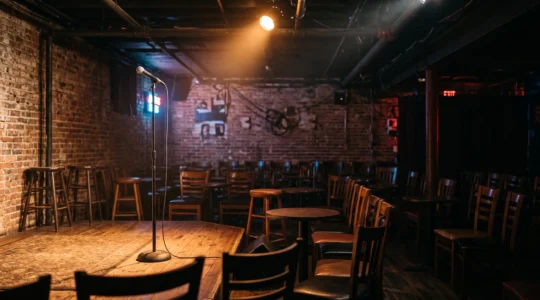
Open Mics and Underground Clubs: Where to Find Raw Comedy Talent?
In summary: To find raw talent, you must understand the hidden systems of the comedy underground, like bucket lotteries and bringer shows. Witnessing a comedian “bomb” isn’t a failure; it’s a privileged look into the creative process and a key…
Read more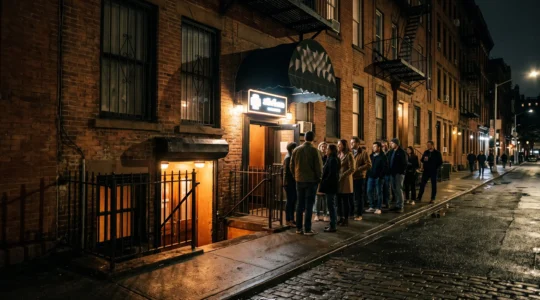
How to Get Into the Comedy Cellar in NYC Without a Reservation?
Getting into the Comedy Cellar without a reservation isn’t about luck; it’s about playing the game smarter than a tourist. Be a small, low-maintenance party, arrive early on a weeknight, and be prepared for the standby line. Understand the club’s…
Read more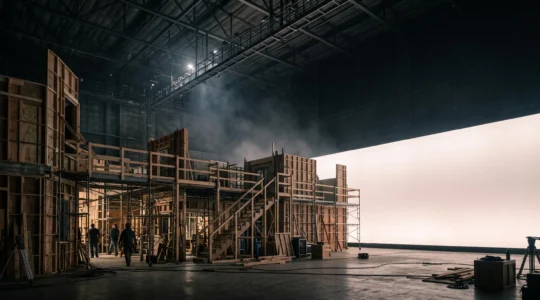
How Do Massive Soundstages Create Artificial Worlds for Blockbusters?
Contrary to the image of a simple ‘black box,’ a soundstage is a complex piece of engineering designed for total environmental control. It is not merely a large room but a purpose-built machine for manufacturing reality. This article deconstructs the…
Read more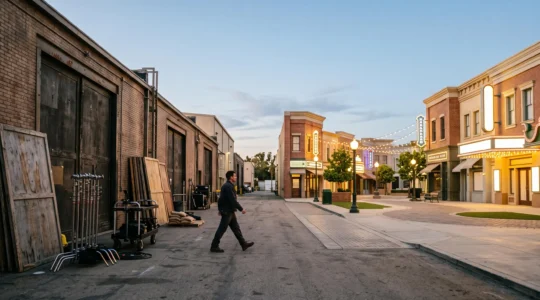
Warner Bros. vs. Universal: A Film Critic’s Guide to Finding Real Moviemaking in a Theme Park World
For the true film lover, the choice between Warner Bros. and Universal isn’t about attractions; it’s about separating industrial craft from manufactured spectacle. Warner Bros. offers an immersive dive into a working lot’s daily operations, from active prop houses to…
Read more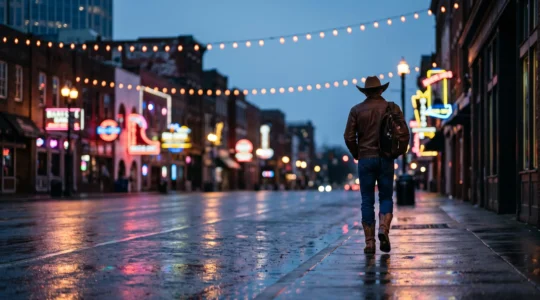
How to Survive a Night on Nashville’s Broadway Honky-Tonk Strip
In summary: Your night on Broadway is a tactical mission, not a casual stroll. Success depends on planning, not luck. Timing is everything. Arriving in the afternoon (2-4 PM) offers better music and fewer crowds than the 10 PM chaos….
Read more
O vs KÀ vs Mystère: Which Cirque du Soleil Show Should You Book?
The secret to choosing the right Cirque du Soleil show isn’t picking a theme (water, war, whimsy), but matching the show’s artistic DNA to your own theatrical taste. ‘O’ is an aquatic, dreamlike poem. It’s best for those who appreciate…
Read more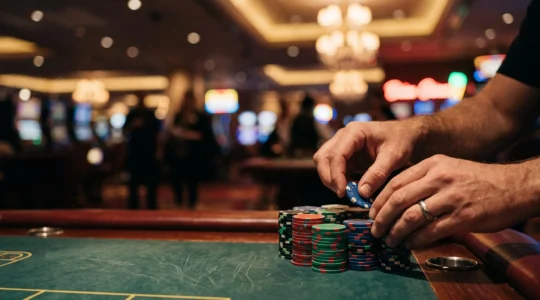
How to Manage Your Bankroll at Las Vegas Casinos without Going Broke?
The secret to surviving Las Vegas isn’t luck; it’s understanding that the casino is a system engineered to separate you from your money, and your bankroll is your only defense. Your ’stop-loss’ limit isn’t a suggestion; it’s an unbreakable rule…
Read more
Chicago or Memphis: Which City Offers the Most Authentic Blues Experience?
The most authentic blues experience isn’t a choice between cities, but an immersion in the journey that connects them. The raw, acoustic soul of Memphis and the amplified, electric grit of Chicago are two ends of the same story, written…
Read more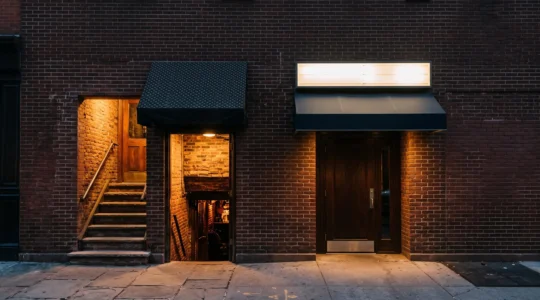
Blue Note or Village Vanguard: Which NYC Jazz Club Fits Your Vibe?
Choosing between the Blue Note and the Village Vanguard isn’t about which is ‘better’—it’s about matching the club’s unwritten rules and energy to your ideal night. The Village Vanguard is a sacred, silent temple for the serious jazz devotee. The…
Read more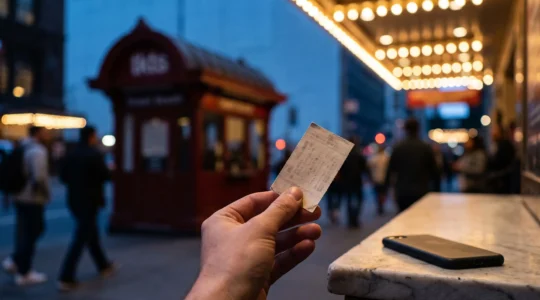
TKTS Booth or Online Booking: How to Get Cheap Broadway Tickets?
In summary: Digital lotteries offer the absolute lowest prices but are a gamble; knowing the notification windows is key. The TKTS booth guarantees a same-day discount (20-50% off) but costs you significant time waiting in line. For big-budget musicals, the…
Read more